FAMILY-OWNED HVAC · EAST TEXAS
Commercial HVAC Maintenance in Gladewater, TX
Make equipment care part of your building’s operating plan. Adeptus Mechanical provides commercial HVAC maintenance in Gladewater, TX, with attention to system condition, occupied spaces, and business scheduling. Discuss preventive heating and cooling maintenance that reflects how your property is used.
COMMERCIAL HVAC MAINTENANCE
Commercial heating and cooling maintenance for your building
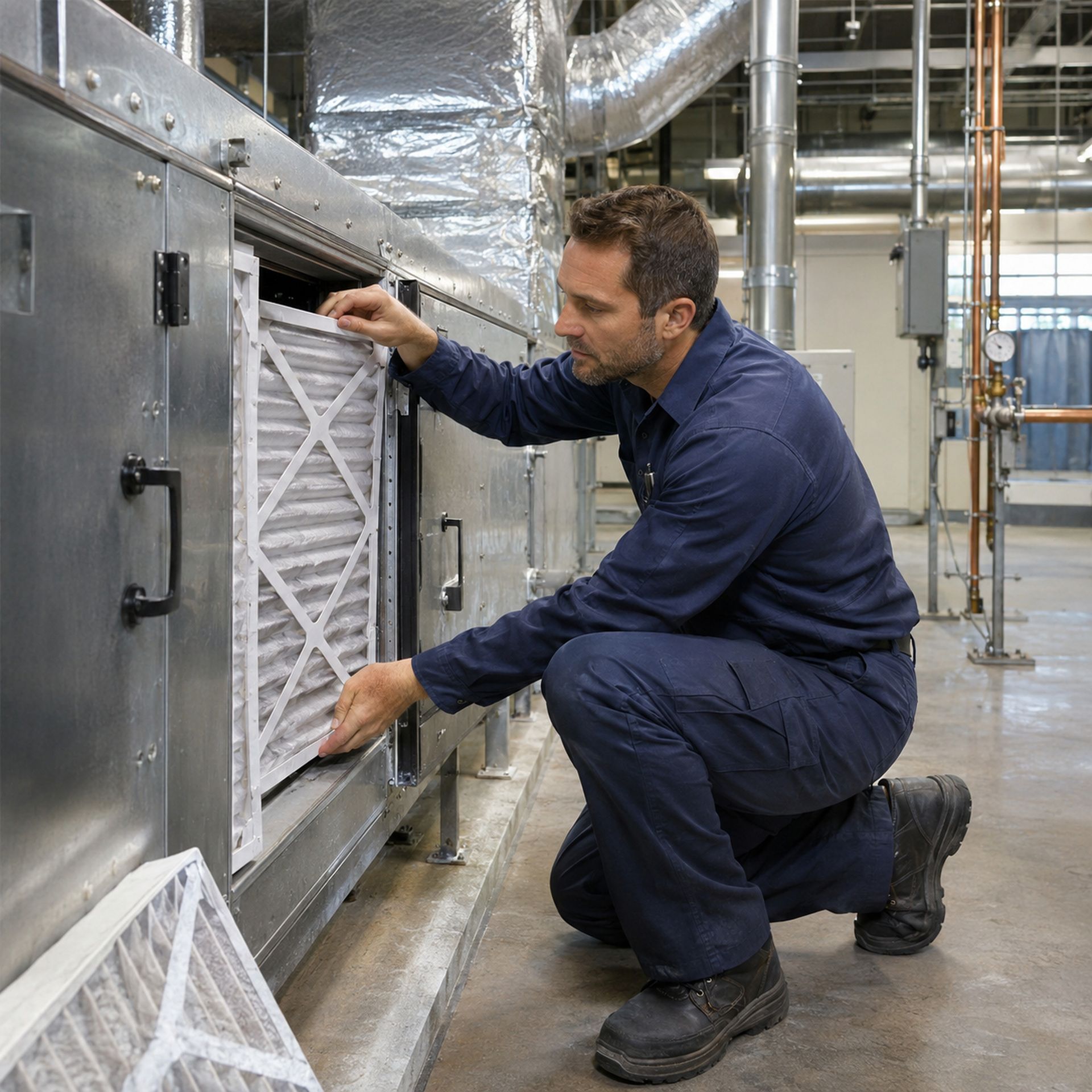
Your building’s heating and cooling equipment supports employees, customers, and the spaces they depend on. Changing occupancy, operating hours, and persistent comfort complaints all matter when planning commercial HVAC maintenance. We help property contacts bring those details together so routine care addresses the building’s actual needs rather than becoming another disconnected task on a maintenance list.
Adeptus Mechanical Heating and Cooling is a family-owned business based in Gladewater with over 15 years of HVAC experience. Our commercial maintenance service gives you a way to review equipment condition, discuss reported concerns, and plan the next step for ongoing care. Share your property’s service history and access requirements so maintenance planning accounts for both the system and normal business activity.
LET’S TALK ABOUT YOUR SYSTEM
When should your business discuss HVAC maintenance?
Share what you are noticing. A clear description of your property and equipment helps us discuss the appropriate next step.
- Your property needs a clearer plan for ongoing system care.
- Building use or occupancy has changed.
- Employees or customers report recurring temperature differences.
- You want to review equipment condition before a period of heavier use.
Preventive HVAC maintenance and repair serve different needs. Routine care reviews equipment condition, while repair addresses a particular fault. If the system is down or a comfort problem is already affecting occupied areas, say so when requesting service. We can discuss the appropriate starting point and help the building contact understand whether the reported concern needs attention beyond the planned maintenance scope.
MAKE AN INFORMED DECISION
Separate preventive maintenance from active commercial HVAC repairs
Preventive HVAC maintenance starts with building use
A commercial HVAC maintenance plan should reflect how a property operates. A customer-facing area may have different comfort priorities from a workspace used intermittently, and equipment serving occupied rooms may face changing demands throughout the day. Describe your normal hours, the spaces affected, and any periods when temperature or airflow becomes harder to manage. These details help make an equipment care conversation relevant to the people using the building.
Identify a property contact who can share system history, provide access, and discuss service recommendations. If more than one system serves the building, explain which area each unit supports when that information is available. Organized records make it easier to follow developing concerns and coordinate future work. Include the service date, affected area, reported issue, and any recommendations still awaiting review. Preventive HVAC maintenance is a practical opportunity to review current condition and plan attention before unresolved issues become a larger scheduling concern.
Equipment type, installation conditions, manufacturer guidance, and usage help shape the appropriate maintenance scope. Ask what is included in the proposed visit and how reported comfort problems will be handled. Depending on the system and agreed service, relevant discussion topics may include controls, airflow, filtration, drainage, accessible equipment condition, and changes in operating behavior. A defined scope helps the property contact understand what is being addressed and what may require separate work.
Commercial heating maintenance also benefits from clear documentation. Ask which findings relate to routine care, which need a repair assessment, and which deserve attention during future planning. Keep equipment identifiers and previous service information available when possible. A history of the same complaint in the same space can be useful context. Maintenance decisions should account for the building’s actual operating experience rather than relying only on whether the equipment currently switches on.
Commercial AC maintenance with a defined scope
Coordinate ongoing care around business priorities
Discuss access arrangements, occupied areas, and any scheduling restrictions when requesting business heating and cooling service. If equipment is difficult to reach or a building representative needs to be present, share that information early. Also explain current issues: a system that has stopped working needs a repair conversation, even if you originally planned a maintenance visit. Distinguishing these needs helps set a clearer expectation for the next step.
Adeptus Mechanical Heating and Cooling is a family-owned HVAC business based in Gladewater with over 15 years of experience. We provide commercial HVAC maintenance in Longview, Kilgore, Gilmer, Henderson, and Winona as well. Call
(903) 747-6811 with your property location, equipment information, and maintenance priorities. We will discuss your building’s needs and service scheduling so you can plan equipment care with employee comfort, customer areas, and daily operations in mind.
Commercial HVAC Maintenance FAQs
What should I share when asking about commercial maintenance?
Provide your location, property use, equipment details if available, operating hours, and any access requirements. Explain the comfort concerns you want to discuss.
Can maintenance planning account for business hours?
Share your operating schedule and access considerations when calling. We can discuss service availability and practical scheduling needs.
Does maintenance include every possible repair?
Maintenance and repairs address different needs. If an operating concern requires a repair, discuss the findings and proposed work separately.
Can we discuss older equipment during a maintenance conversation?
Yes. Tell us about recurring problems, equipment history, and planning priorities. We can discuss whether a separate replacement assessment would be useful.